


Holy Communion elements: Bread and Wine representing Christ's body and blood
✝️ Quick Summary
Holy Communion (also called the Lord's Supper, Eucharist, or Breaking of Bread) is the sacred meal Jesus Christ instituted on the night before His crucifixion. It is one of the most central practices of the Christian faith, observed by nearly every denomination worldwide. Through bread and wine (or grape juice), believers remember Christ's sacrifice, proclaim His death until He returns, and spiritually participate in the benefits of the cross.
📘 I. What Is Holy Communion?
Holy Communion (also called the Lord's Supper, Eucharist, or Breaking of Bread) is the sacred meal Jesus instituted on the night before His crucifixion. It is one of the most central practices of the Christian faith and is observed by nearly every Christian denomination worldwide.
The word "Eucharist" comes from the Greek word eucharistia (εὐχαριστία), meaning "thanksgiving" or "gratitude." This term reflects the grateful spirit in which believers approach this sacred meal. The term "Communion" comes from the Latin communio, emphasizing the shared participation and fellowship believers have with Christ and one another.
A Memorial
Remembering Christ's sacrifice on the cross
A Proclamation
Announcing His death until He returns
A Participation
Spiritually sharing in the benefits of the cross
Historical Context: The Last Supper

The Last Supper by Leonardo da Vinci (1495-1498) - depicting Jesus instituting Holy Communion
Jesus instituted Communion during the Passover meal with His disciples in an upper room in Jerusalem, the night before His crucifixion (approximately 30-33 AD). This event, known as the Last Supper, is recorded in all four Gospels (Matthew 26:26-29, Mark 14:22-25, Luke 22:14-23, John 13-17) and referenced by the Apostle Paul in 1 Corinthians 11:23-26.
By choosing Passover as the occasion, Jesus deliberately connected the new meal to Israel's foundational story of redemption from Egypt. Just as the Passover lamb's blood saved the Israelites from death, so Christ's blood would save all who believe from eternal death.
📖 II. Biblical Foundations of Communion
1. The Institution of Communion by Jesus
Jesus Himself established Communion during the Passover meal on the night He was betrayed:
"And he took bread, gave thanks and broke it, and gave it to them, saying, 'This is my body given for you; do this in remembrance of me.'
In the same way, after the supper he took the cup, saying, 'This cup is the new covenant in my blood, which is poured out for you.'"
2. The Early Church Practiced Communion Regularly
From the very beginning, the early church made Communion a central part of their worship and community life:
"They devoted themselves to the apostles' teaching and to fellowship, to the breaking of bread and to prayer."
The phrase "breaking of bread" in Acts refers specifically to the Lord's Supper, distinguishing it from ordinary meals. Early Christians gathered regularly—often daily or weekly—to share this sacred meal together.
3. Communion Proclaims the Gospel
The Apostle Paul, writing to the Corinthian church around 55 AD, emphasized the proclamatory nature of Communion:
"For whenever you eat this bread and drink this cup, you proclaim the Lord's death until he comes."
💡 Key Insight: The Three Dimensions of Communion
- Past: We look BACK to the cross, remembering Christ's sacrifice
- Present: We look INWARD, examining our hearts and experiencing His presence
- Future: We look FORWARD to His return and the Marriage Supper of the Lamb
🍞 III. The Meaning of the Bread
The Bread Symbolizes the Body of Christ
When Jesus broke the bread and said, "This is my body," He was establishing a powerful symbol that carries multiple layers of meaning:
1. His Incarnation — God Became Human
The bread represents God taking on human flesh. Just as bread is made from wheat that is ground and baked, Christ took on a physical body subject to the limitations and sufferings of humanity (John 1:14, Philippians 2:6-8).
2. His Perfect Obedience
Jesus lived a sinless life, making Him the only acceptable sacrifice for sin. His body was offered as the unblemished Lamb of God (Hebrews 4:15, 1 Peter 1:19).
3. His Suffering and Crucifixion
The breaking of the bread vividly represents Christ's body being broken through scourging, beatings, and crucifixion. "By His wounds we are healed" (Isaiah 53:5).
4. The Bread of Life
Jesus declared Himself to be the spiritual sustenance that gives eternal life: "I am the bread of life. Whoever comes to me will never go hungry" (John 6:35).
Body of Christ
- ✦ Broken for us on the cross
- ✦ Healed by His wounds
- ✦ God in human flesh
- ✦ The sinless sacrifice
📖 Key Verses
- John 6:35
- 1 Peter 2:24
- Isaiah 53:5
- Matthew 26:26
- Hebrews 10:10
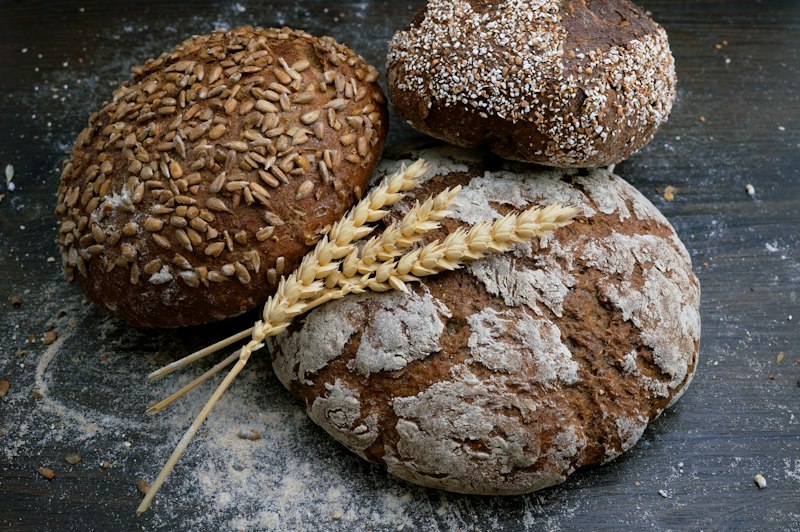
Broken bread representing Christ's body given for us
Why Unleavened Bread?
Many traditions use unleavened bread (bread without yeast) for Communion, connecting to several biblical themes:
- Passover Connection: The Israelites ate unleavened bread during Passover, and Jesus instituted Communion during this feast (Exodus 12:8)
- Symbol of Sinlessness: Leaven often symbolizes sin in Scripture; unleavened bread represents Christ's purity (1 Corinthians 5:6-8)
- Haste and Readiness: Unleavened bread was bread of urgency, reminding us of the swift work of redemption
🍷 IV. The Meaning of the Cup
The Cup Symbolizes the Blood of Christ
When Jesus lifted the cup and declared it to be "the new covenant in my blood," He established a profound symbol representing the life-giving power of His sacrificial death:
1. Forgiveness of Sins
The shedding of blood was essential for atonement in the Old Testament sacrificial system. Christ's blood provides complete and final forgiveness: "This is my blood of the covenant, which is poured out for many for the forgiveness of sins" (Matthew 26:28).
2. The New Covenant
Jesus established a New Covenant through His blood, fulfilling the prophecy of Jeremiah 31:31-34. This covenant writes God's law on our hearts rather than on stone tablets (Hebrews 8:10-12).
3. Redemption and Ransom
The blood represents the price paid for our freedom from sin and death: "In him we have redemption through his blood, the forgiveness of sins" (Ephesians 1:7).
4. Cleansing and Justification
Christ's blood cleanses us from all unrighteousness and declares us righteous before God: "The blood of Jesus, his Son, purifies us from all sin" (1 John 1:7).
Blood of Christ
- ✦ New Covenant seal
- ✦ Forgiveness of sins
- ✦ Redemption & cleansing
- ✦ Life through His sacrifice
📖 Key Verses
- Matthew 26:28
- Ephesians 1:7
- Hebrews 9:12-14
- 1 John 1:7
- Revelation 5:9

The cup of the New Covenant in Christ's blood
Wine or Grape Juice?
Different Christian traditions use either wine or grape juice (unfermented) for Communion. Here's the historical context:
- Historical Practice: For most of church history, wine was used, as it was the common beverage at Passover and in the ancient Mediterranean world
- Grape Juice Option: In the 19th century, some Protestant churches began using grape juice, partly due to the temperance movement and pastoral concern for those struggling with alcohol
- Theological Focus: Most theologians agree that the meaning of Communion is not dependent on whether fermented or unfermented grape product is used, as both represent Christ's blood
🔥 V. The Four Major Theological Views of Communion
Throughout church history, Christians have held different views on what happens to the bread and wine during Communion and how Christ is present. Here are the four major perspectives:
🔴 Catholic
Literal Presence
Bread/Wine → Body/Blood
🔵 Lutheran
Real Presence
"In, with, and under"
🟢 Reformed
Spiritual Presence
By the Holy Spirit
🟡 Baptist
Memorial
Symbolic Remembrance
💭 Historical Note
Despite these differences, all major Christian traditions agree that Communion was instituted by Christ, should be practiced regularly by believers, and holds deep spiritual significance. The debate centers on how Christ is present, not whether the meal is important.
🕊️ VI. Communion as Covenant
Communion is fundamentally a covenant meal—a sacred sign and seal of the New Covenant established through Christ's blood. To fully appreciate Communion, we must understand its connection to the Old Testament covenant tradition.
The New Covenant fulfilled Old Testament promises
Old Testament Covenant Background
Communion fulfills and transforms Old Testament covenant structures:
🐑 The Passover Meal
The blood of the Passover lamb saved Israel from the destroying angel. Jesus is our Passover Lamb whose blood saves us from eternal death (1 Corinthians 5:7).
💧 The Sinai Covenant
Moses sprinkled blood on the people saying, "This is the blood of the covenant" (Exodus 24:8). Christ's blood ratifies the New Covenant (Hebrews 9:18-22).
🔥 The Sacrificial System
Daily sacrifices pointed to the need for atonement. Christ's once-for-all sacrifice fulfilled what countless animal sacrifices could never accomplish (Hebrews 10:1-14).
The New Covenant Promised and Fulfilled
"'The days are coming,' declares the LORD, 'when I will make a new covenant with the people of Israel and with the people of Judah... I will put my law in their minds and write it on their hearts. I will be their God, and they will be my people... For I will forgive their wickedness and will remember their sins no more.'"
This prophecy, written approximately 600 years before Christ, is directly referenced when Jesus says: "This cup is the new covenant in my blood" (Luke 22:20). The book of Hebrews chapters 8-10 extensively explains how Christ fulfills and supersedes the Old Covenant.
🛐 VII. Who Should Take Communion?
Scripture provides guidance on who should and should not participate in Communion. This sacred meal is for believers, but it requires proper heart preparation.
✅ Who SHOULD Take Communion
Believers who:
- ✓ Confess Jesus as Lord and have personal faith in Him
- ✓ Are walking in repentance with a humble heart
- ✓ Discern the body of Christ understanding its meaning
- ✓ Are reconciled with others (Matthew 5:23-24)
❌ Who Should NOT Take Communion
Those who:
- ✗ Take it "unworthily" without proper reverence (1 Cor. 11:27-30)
- ✗ Have not trusted Christ for salvation
- ✗ Are living in deliberate rebellion against God
- ✗ Harbor unforgiveness toward others
⚠️ Important Clarification
Communion is not about being "perfect"—none of us are! It's about coming with a sincere and repentant heart. We come to the table not because we are worthy, but because Christ has made us worthy through His blood. The call to self-examination is about addressing known sin, not achieving sinlessness.
"So then, whoever eats the bread or drinks the cup of the Lord in an unworthy manner will be guilty of sinning against the body and blood of the Lord. Everyone ought to examine themselves before they eat of the bread and drink from the cup."
🤲 VIII. Heart Preparation Before Communion
The Apostle Paul instructs believers to "examine themselves" before partaking in Communion (1 Corinthians 11:28). This self-examination is not meant to exclude people but to ensure we approach the Lord's table with reverence and sincerity.
Preparing the heart through prayer and self-examination
Biblical Checklist for Preparation
🙏 PREPARE YOUR HEART
EXAMINE
Examine yourself honestly (1 Cor. 11:28)
REPENT
Confess known sins to God (1 John 1:9)
FORGIVE
Release bitterness toward others (Matt. 5:23-24)
REMEMBER
Meditate on Christ's sacrifice (Luke 22:19)
WORSHIP
Approach with reverence, gratitude, and awe
RECEIVE
Accept God's grace with thanksgiving
A Sample Preparation Prayer
"Lord Jesus, as I prepare to receive Communion, I examine my heart before You. Search me and reveal any sin I need to confess. I repent of [specific sins]. I choose to forgive [specific people] as You have forgiven me. Thank You for Your body broken for me and Your blood poured out for the forgiveness of my sins. Help me to receive this meal with reverence and gratitude. May this Communion strengthen my faith and draw me closer to You. Amen."
🔄 IX. Communion and the Second Coming
Communion is not merely a backward look at the cross—it also points forward to the glorious return of Jesus Christ. Every time we partake, we make a prophetic announcement: Jesus is coming again!
Jesus' Promise at the Last Supper
"I tell you, I will not drink from this fruit of the vine from now on until that day when I drink it new with you in my Father's kingdom."
This remarkable statement reveals that Communion is an interim meal—it bridges the time between Christ's first coming and His return. It is a "foretaste of glory divine," anticipating the Marriage Supper of the Lamb (Revelation 19:6-9).
Until He Comes
Paul emphasizes the eschatological (end-times) dimension of Communion:
"For whenever you eat this bread and drink this cup, you proclaim the Lord's death until he comes."
Communion Points To:
🎉 The Marriage Supper of the Lamb
Communion anticipates the ultimate feast described in Revelation 19:6-9, when Christ (the Bridegroom) will celebrate with His Church (the Bride) in the fullness of God's kingdom. Every Communion is a rehearsal for that glorious day!
🕍 X. Old Testament Foreshadows of Communion
The Old Testament is filled with events, rituals, and symbols that foreshadow—and find their fulfillment in—Holy Communion. Understanding these connections deepens our appreciation for this sacred meal.
📖 Jesus: The True Passover Lamb
It is no coincidence that Jesus was crucified during Passover. At the very hour when lambs were being slaughtered in the Temple for the Passover feast, the true Lamb of God was dying on the cross. The timing was divinely orchestrated to make the connection unmistakable: "Behold, the Lamb of God, who takes away the sin of the world!" (John 1:29).
🌍 XI. Communion in Different Christian Traditions
While all Christians practice Communion, different traditions approach it with varying emphases, frequencies, and theologies. Understanding these differences can deepen our appreciation for the richness of Christian worship worldwide.

Christians worldwide observe Communion with varying practices
⛪ Roman Catholic Church
- Eucharist is the center of worship (the Mass)
- Belief in Transubstantiation—bread and wine literally become Christ's body and blood
- Received weekly or daily by practicing Catholics
- Administered by ordained priests
- Often received as bread only by laity (though both species available)
☦️ Eastern Orthodox
- Called the Divine Liturgy
- Emphasis on mystery and divine presence
- Deep liturgical reverence with ancient prayers
- Received with a spoon (bread soaked in wine)
- Preparation through fasting and confession
✝️ Lutheran
- Belief in Real Presence (Sacramental Union)
- Christ is "in, with, and under" the bread and wine
- Typically celebrated weekly or bi-weekly
- Strong emphasis on Word and Sacrament together
- Open to baptized believers
⛪ Reformed/Presbyterian
- Belief in Spiritual Presence
- Christ is truly present by the Holy Spirit
- Typically monthly celebration
- Emphasis on covenant and community
- Administered by elders/pastors
🙏 Baptist/Evangelical
- View as symbolic memorial
- Emphasis on "remembrance" (Luke 22:19)
- Typically monthly or quarterly
- Often use grape juice instead of wine
- Open to all professing believers
🔥 Pentecostal/Charismatic
- Emphasis on spiritual experience
- Often monthly celebration
- May emphasize healing and breakthrough
- Spontaneous worship during Communion
- Connection to supernatural power of Christ
📊 TRADITIONS AT A GLANCE
💬 XII. Common Misunderstandings About Communion (With Corrections)
There are several widespread misconceptions about Holy Communion that can lead to confusion or improper practice. Here are the most common ones with biblical corrections:
⭐ XIII. Spiritual Benefits of Holy Communion
While Communion is primarily an act of obedience and remembrance, Scripture and Christian experience reveal numerous spiritual benefits that flow from this sacred practice:
Strengthens Faith
Communion reinforces the reality of Christ's sacrifice and our redemption, building confidence in God's promises.
Rekindles Love for Christ
Focusing on Christ's sacrifice renews our affection and devotion to Him as our Savior and Lord.
Promotes Unity
Sharing the meal together reminds us we are one body in Christ (1 Corinthians 10:17).
Renews Commitment to Holiness
Self-examination before Communion encourages us to turn from sin and pursue godliness.
Offers Spiritual Healing
By His wounds we are healed (Isaiah 53:5). Many experience spiritual and emotional healing at the Lord's table.
Refreshes the Soul
Communion is spiritual nourishment, feeding our inner being with the presence of Christ.
🌟 Testimonies Throughout History
Christians throughout the centuries have testified to experiencing God's presence, peace, healing, and renewed purpose through regular participation in Communion. While the benefits are spiritual (not magical), they are real and transformative for those who partake with faith.
📖 XIV. Key Bible Verses on Holy Communion
📜 ESSENTIAL SCRIPTURE REFERENCES
The Institution
- Luke 22:19-20 — "Do this in remembrance of me"
- Matthew 26:26-29 — The Last Supper account
- Mark 14:22-25 — "This is my body... my blood"
Paul's Teaching
- 1 Corinthians 11:23-29 — The Lord's Supper instructions
- 1 Corinthians 10:16-17 — Participation in Christ's body
Jesus as Bread of Life
- John 6:35, 48-58 — "I am the bread of life"
- John 6:53-58 — Eating His flesh, drinking His blood
Early Church Practice
- Acts 2:42 — "Breaking of bread"
- Acts 20:7 — Breaking bread on the first day
Christ's Blood
- Hebrews 9:12-14 — Eternal redemption through blood
- Ephesians 1:7 — Redemption through His blood
- 1 John 1:7 — Blood cleanses from all sin
Old Testament Foundation
- Exodus 12 — The Passover
- Jeremiah 31:31-34 — New Covenant promised
- Isaiah 53:5 — By His wounds we are healed
❓ Frequently Asked Questions (FAQ)
How often should Christians take Communion?
The Bible does not specify an exact frequency. The early church appears to have practiced it frequently—possibly weekly or even daily (Acts 2:42, 46; Acts 20:7). Catholic and Orthodox churches offer Communion at every Mass/Divine Liturgy. Most Protestant churches observe it monthly or quarterly. The key is regularity and reverence, not a specific schedule. Jesus said "as often as you do this" (1 Corinthians 11:25-26), implying ongoing practice.
Can children take Communion?
Practices vary by tradition. Some churches (Catholic, Orthodox, some Anglican) commune baptized children from infancy. Other churches (many Protestant traditions) wait until children make a personal profession of faith and can "discern the body" (1 Corinthians 11:29). Parents should consult their church's teaching and ensure children understand the basic meaning of the meal before participating.

